
Made to measure
Why a pattern made to your measurements?
Standard patterns are drawn for an average body that almost nobody has. metrico.studio drafts each pattern from your own measurements, so the fit is built in from the first line.
You measure once and save a profile. Every model you pick is then constructed for that profile with classic tailoring methods. You check a free preview, download the PDF when it looks right, and print it at home, at a copy shop or straight onto fabric with a projector.
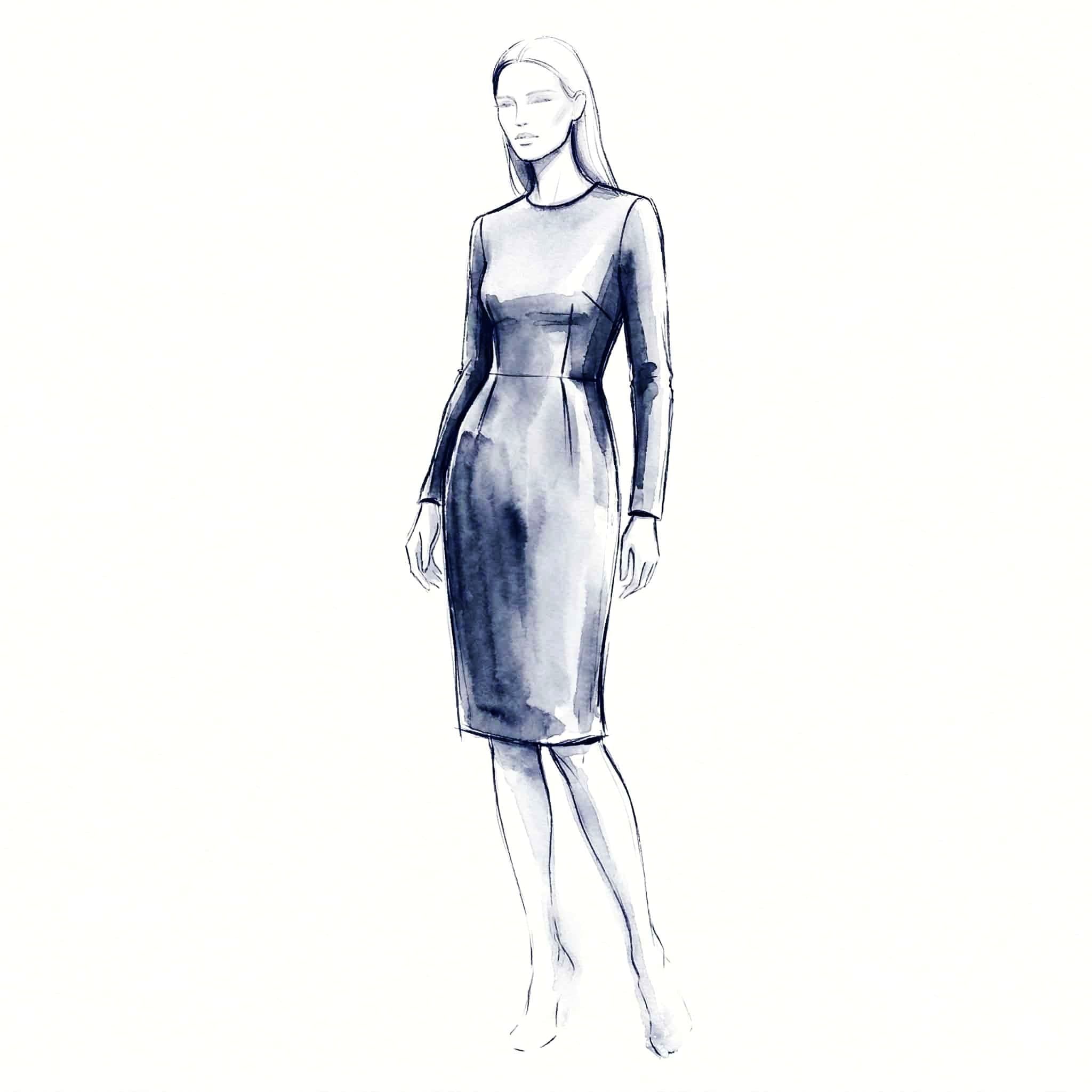
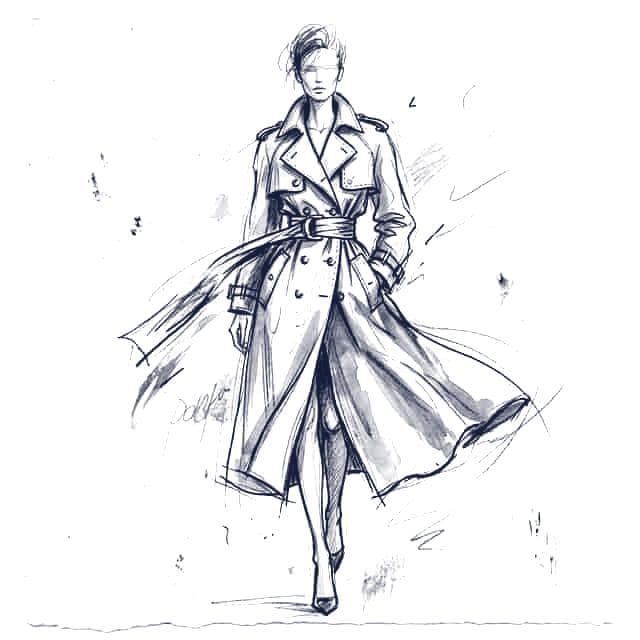
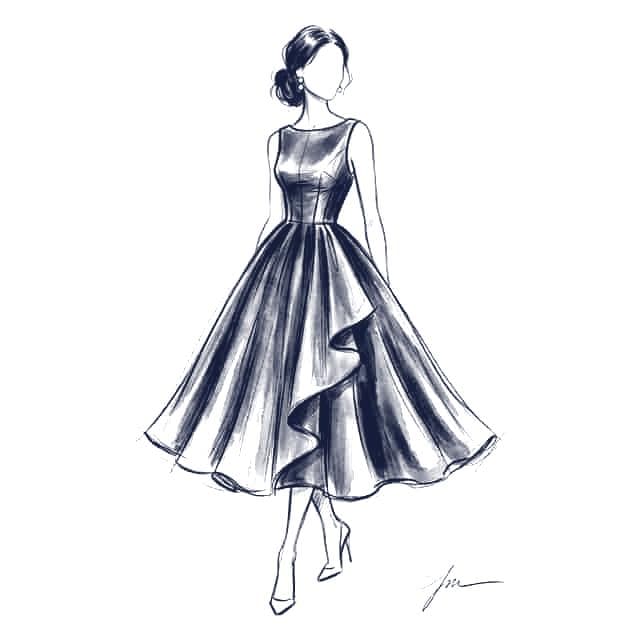
- 65 modelsbase garments
- 172 variantsstyle variants
- 1,2 mmpattern precision
- 15 minfrom measurement
Why it's better
Traditional patterns vs. metrico.
| Without metrico | With metrico | |
|---|---|---|
| Sizing | Pick the closest size, hope it fits | Drafted from your exact measurements |
| Time to pattern | Hours of drafting or altering | Ready in under a minute |
| Precision | Rounded to the nearest size | 1.2 mm precision |
| Formats | Usually one PDF size | A4, Letter, A0, and projector (light + dark) |
| Starting point | Alter a generic pattern until it works | Start with a pattern built for your body |
How it works
Three steps to a custom-fit pattern.
- 01
Measure
Enter your measurements in a simple form.
- 02
Generate
Classic tailoring drafting, generated precisely from your measurements — ready in seconds.
- 03
Sew
Download the PDF, print, and start sewing.
What a size chart cannot know
A ready-made size is an average of many bodies. One size fixes one bust, one waist, one hip and one height, and assumes they always come together. Real bodies do not cooperate: a long torso with a small bust, wide hips under a narrow back, a short leg with a deep seat. Every one of those combinations lands between two sizes, and the usual advice is to buy the larger one and take it in.
A pattern drafted from your own numbers has no size to fall between. Bust, waist and hips are read separately, so a difference between them becomes shaping in the pattern instead of a compromise. Length measurements decide where the waist seam, the hem and the end of the sleeve sit on you, not on a fit model.
What the engine does with your numbers
metrico.studio does not scale an existing pattern up or down. It drafts every piece from scratch with the block methods that pattern-cutting handbooks teach: a bodice block from bust, back length, shoulder width and neck; a trouser block from waist, hips, crotch depth and leg length; a sleeve block from arm length, upper arm and armhole. Your measurements are the input to those constructions, so darts, curves and seam lengths come out consistent with each other.
Your profile holds up to 25 measurements, but no single model uses all of them. Simple garments need a few, tailored ones need more. The table shows, category by category, how many body measurements the models take and how many pattern pieces come out.
| Category | Body measurements | Pattern pieces |
|---|---|---|
| Dresses | 6–9 | 3–14 |
| Tops & shirts | 4–10 | 2–5 |
| Pants & skirts | 2–8 | 2–4 |
| Comfort / athleisure | 4–11 | 1–4 |
| Outerwear | 7 | 6–13 |
| Kids | 4–5 | 2–6 |
| Underwear & corsets | 3–7 | 2–6 |
| Cosplay & historical costumes | 2–9 | 2–9 |
| Elements | 4 | 1 |
Ranges are min–max across the models in each category; pieces counted at sample measurements (height 176 cm, bust 96 cm, waist 78 cm, hips 102 cm).
Where ready-made fit usually fails
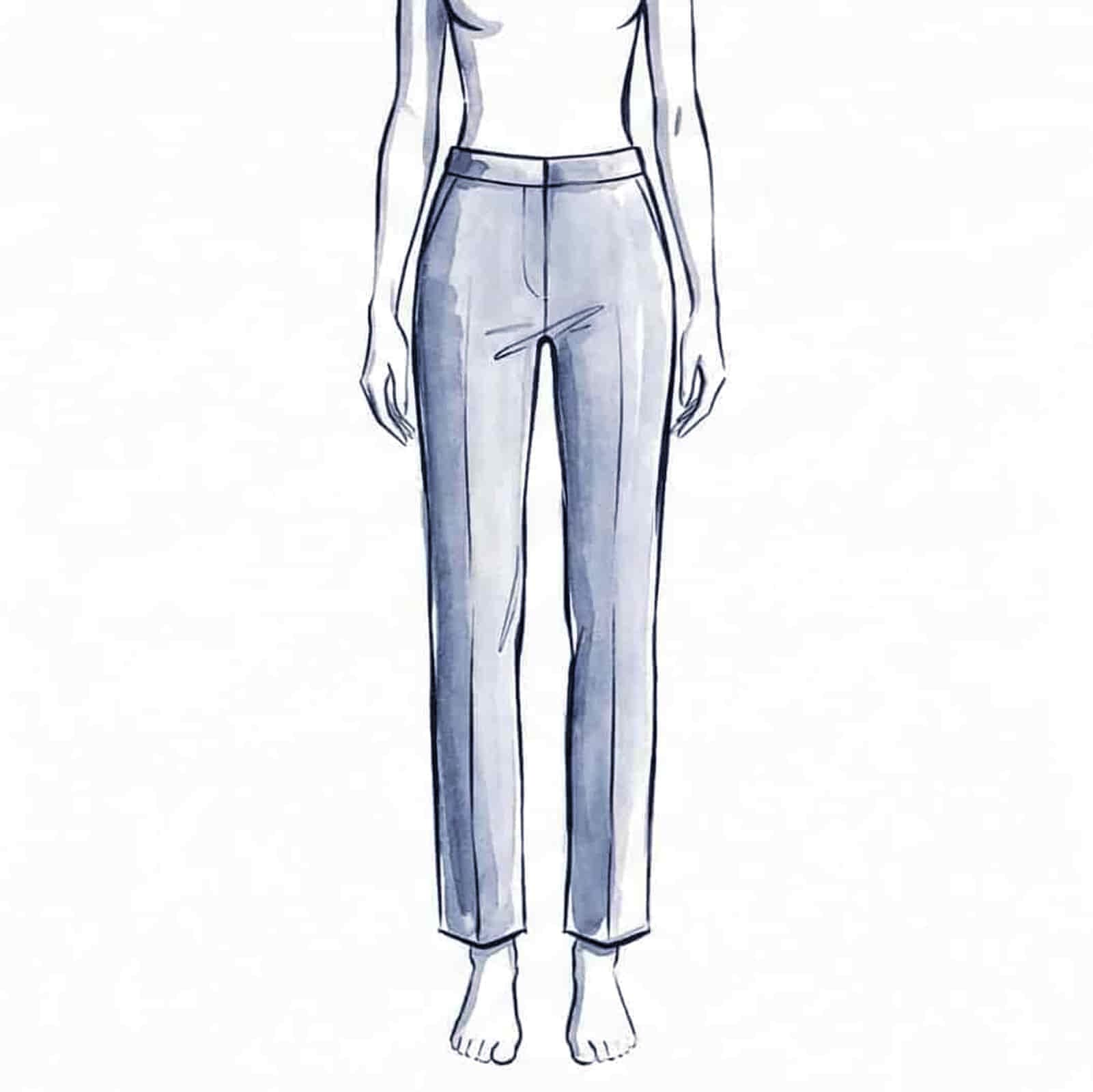
Trousers: crotch depth and rise
The distance from waist to crotch varies more between people than the waist itself. When it is wrong, trousers pull at the seat or sag under it, and taking in the side seams does not fix it. The trouser models are drafted from your crotch depth, thigh and knee, and the tailored modes let you balance seat and rise as well.
Shoulders and back
Shoulder width and shoulder slope decide where the armhole sits. Too wide and the sleeve head drops off the shoulder; too narrow and it binds. Drafting from your shoulder width and back length keeps the armhole in place and the back at the right length before the first fitting.
Bust point and dart
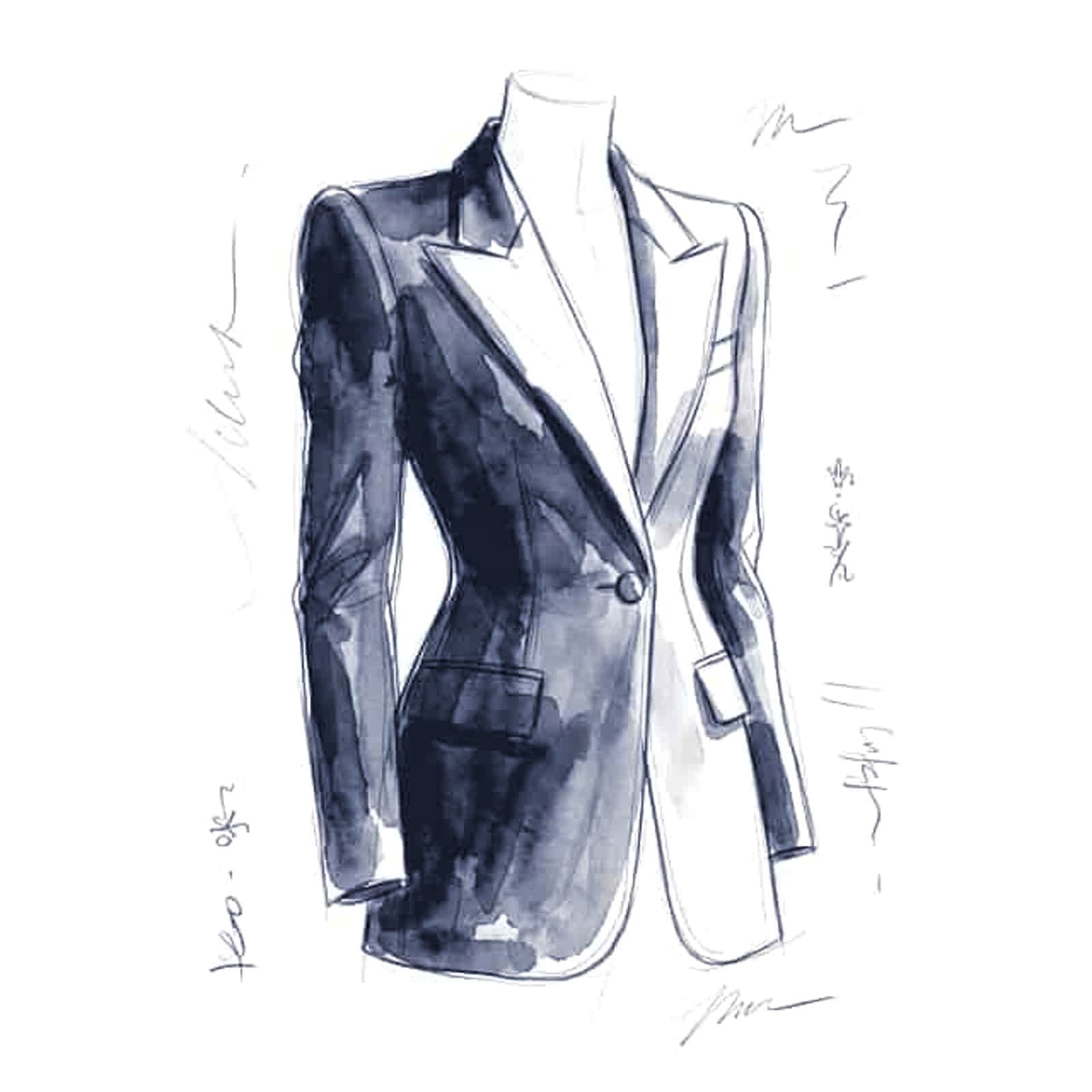
A bust dart only works if it points at the right place. Bust height and bust point distance put the dart apex where your bust actually is, which is the one correction almost every sewist ends up making on a commercial pattern.
Sleeve length and cap
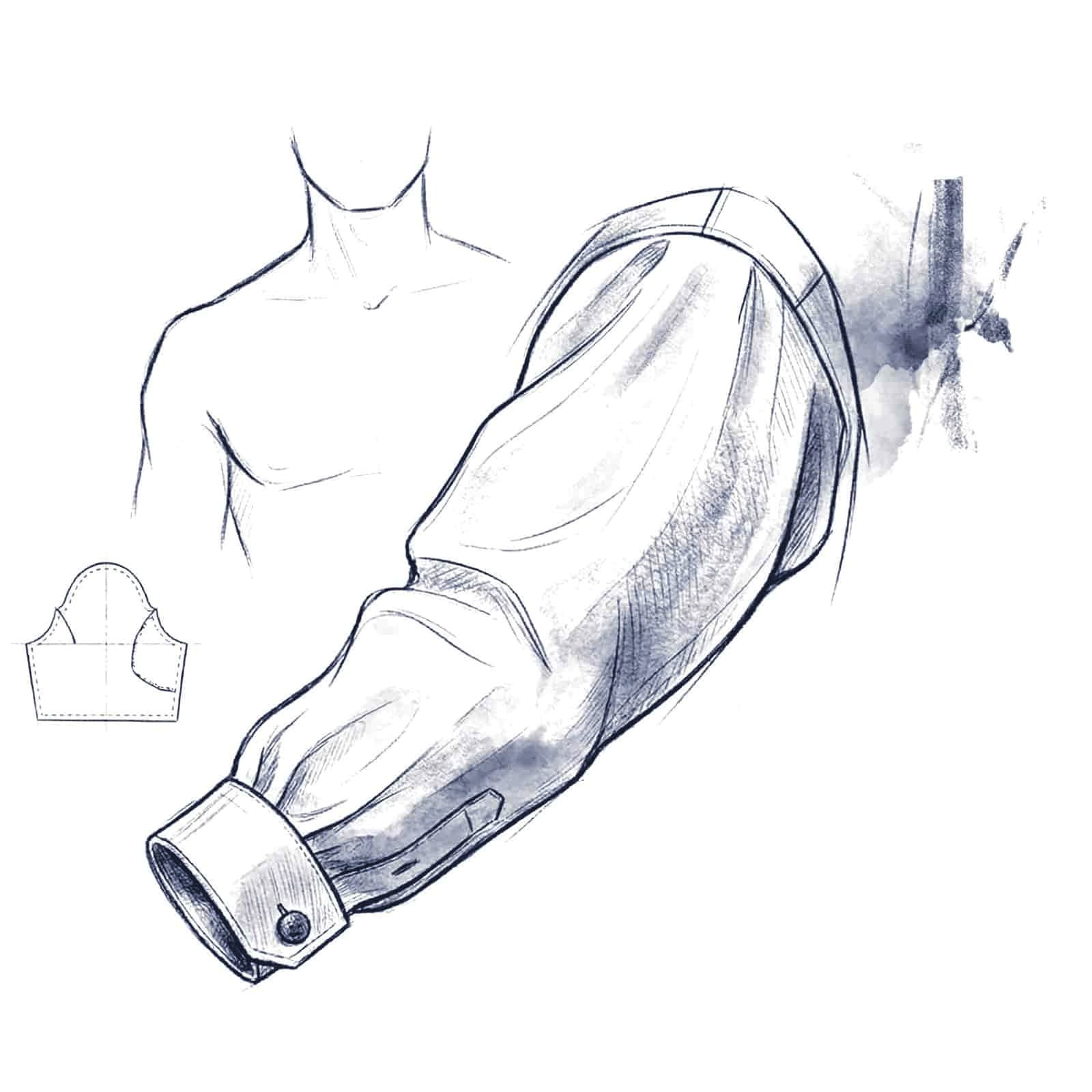
Arm length, upper arm and wrist size the sleeve; the armhole circumference sizes the cap. Because the cap is drafted to match the armhole it will be sewn into, the ease around the sleeve head is controlled instead of left to chance.
What is in the PDF
One download contains five files: A4 and Letter tiles for home printing with a test square and match marks, A0 for a copy shop or plotter, and two projector layouts, light and dark. Pieces come with seam allowances, grainlines, notches and labels, ready to cut. The preview before download is free, and every saved version stays in your archive for free re-downloads.
How to print and assemble your pattern →
Three construction modes decide how many measurements go in and what you can adjust: Forma (40 MTC) for a quick start, Misura (50 MTC) with more body measurements, and Precisa (60 MTC) with full construction controls.
Who it's for
Made for every maker.
Just getting started
No pattern-making experience needed. You bring the measurements — metrico.studio does the drafting.
Experienced sewists
Skip the tedious prep. Spend your time sewing, not grading and tracing.
Every body shape
Long torso, narrow shoulders, wide hips — the pattern is built from your numbers, not a standard size table.
Cosplay & historical makers
Corsets, cloaks, regency dresses — niche models drafted to your exact measurements.
Fashion students
See how classic construction methods translate measurements into pattern pieces — learn by making.
Custom tailoring
Client sends measurements, you generate a ready pattern — no manual drafting from scratch every time.
Sewing for kids
Children outgrow size charts faster than you can sew. Enter current measurements — the pattern fits right now, not two months ago.
Small runs & micro-brands
Selling on Etsy or locally? Generate a base pattern in multiple sizes — no investment in professional CAD software.
Questions about made-to-measure patterns
How accurate does my measuring need to be?
Measure in underwear or close-fitting clothes, with the tape level and snug but not pulling. A centimeter of error on a girth moves the pattern by that centimeter, which is within normal fitting tolerance; errors in crotch depth or back length show more, so take those twice. Each measurement in the profile comes with a note on where to place the tape.
What if my measurements change?
Update the profile and generate the model again. The engine redrafts everything from the new numbers, so you do not alter the old pattern, and the previous version stays in your archive.
Do I need drafting or fitting experience?
No. Drafting is done for you, and the pattern arrives ready to cut. You still sew it like any other pattern; the sewing difficulty of each model is shown on its page and printed on the pattern cover.
Is this the same as a pattern in my size?
No. A graded pattern is one shape enlarged or reduced in steps, so all proportions move together. A drafted pattern takes each of your measurements on its own, so a long back or a wide hip changes only the part of the pattern it belongs to.
Can I still change the style?
Yes. Every model has style options: length, neckline, sleeve, waist level, pleats and more, depending on the garment. Set them before generating and regenerate later with different settings. The fit comes from your profile, the style from the options.